
À medida que a tecnologia continua a progredir, tudo o que usamos torna-se digital. E é o mesmo para todos...
Read More

brazilcarnival.com.br

A Ópera Nunca Morre
Adentre o majestoso universo da ópera, onde as notas musicais dançam no ar, e as emoções se desdobram em narrativas emocionantes. A ópera, com sua grandiosidade única, transcende o tempo, e neste artigo, vamos explorar por que ela não apenas sobrevive, mas floresce como uma forma de arte atemporal e significativa.
Uma Breve Visão Histórica
A ópera, originária do século XVI na Itália, evoluiu de uma fusão de música, teatro e poesia. Ao longo dos séculos, ela se espalhou pelo mundo, incorporando diferentes estilos, línguas e temas. Sua trajetória histórica é rica e complexa, moldando-se para refletir as mudanças culturais e sociais.
O Poder Emocional da Ópera
O coração da ópera reside em sua capacidade única de traduzir emoções humanas complexas em música, canto e performances teatrais. Dos suspiros de amor aos rugidos da tragédia, a ópera nos leva a uma jornada emocional única, proporcionando uma expressão artística que transcende palavras comuns.
Colaboração e Coordenação
A ópera é uma obra-prima colaborativa, onde compositores, libretistas, cantores, músicos, diretores e designers se unem para criar uma experiência única. Essa colaboração exige uma sintonia precisa, resultando em produções que celebram a excelência artística e técnica.
Importância Cultural
A ópera é um tesouro cultural, preservando línguas, tradições e períodos históricos. Ao explorar diversos cenários e contextos, ela se torna uma enciclopédia viva, oferecendo uma visão rica e multifacetada do mundo.
Impacto na Música
A ópera é um precursor fundamental para o desenvolvimento da música em geral. Influenciou não apenas compositores clássicos, mas também deixou sua marca em gêneros musicais modernos e trilhas sonoras cinematográficas.
As Habilidades Vocais e Técnicas
A destreza vocal exigida dos cantores de ópera é impressionante. Esses artistas dedicam anos de treinamento para dominar a técnica, controle e expressividade necessários para dar vida às letras dramáticas e emotivas das óperas.
Popularidade Duradoura
Apesar de ser frequentemente associada a um público elitista, a ópera mantém uma popularidade duradoura. Sua capacidade de cativar públicos de todas as idades e origens é testemunho da sua universalidade, transcendo barreiras culturais e linguísticas.
Também é importante superar os mitos que cercam a ópera, afirmando que ela é elitista ou desatualizada. Na verdade, a ópera é acessível e continua a evoluir, incorporando novos temas e estilos que ressoam com as audiências modernas.
Experiência Imersiva
Assistir a uma ópera é uma experiência imersiva incomparável. Dos elaborados cenários aos trajes deslumbrantes, a atmosfera única criada por orquestras ao vivo e artistas apaixonados torna cada apresentação uma jornada mágica.
Conclusão
A ópera, com toda a sua grandiosidade e emoção, continua a provar que nunca morre. Sua importância cultural, histórica e artística permanece intocada, proporcionando uma jornada única através do tempo e da emoção humana. Ao abraçarmos a ópera, não apenas apreciamos uma forma de arte, mas também nos conectamos com um legado extraordinário que transcende eras.
Festivais excêntricos
Se eu te falar que existe um festival que adota uma fruta muito conhecida como arma para um combate, qual seria a probabilidade de você participar? Acredite, não apenas esse festival, mas, em todo o mundo são realizados eventos para lá de estranhos; eu diria diferentes. Você topa entrar nessa vibe dos festivais excêntricos que têm público garantido? Então vamos adiante.
Ivrea Orange Festival
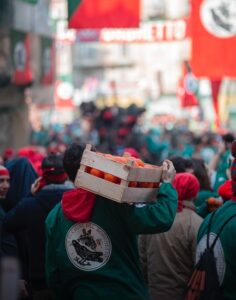
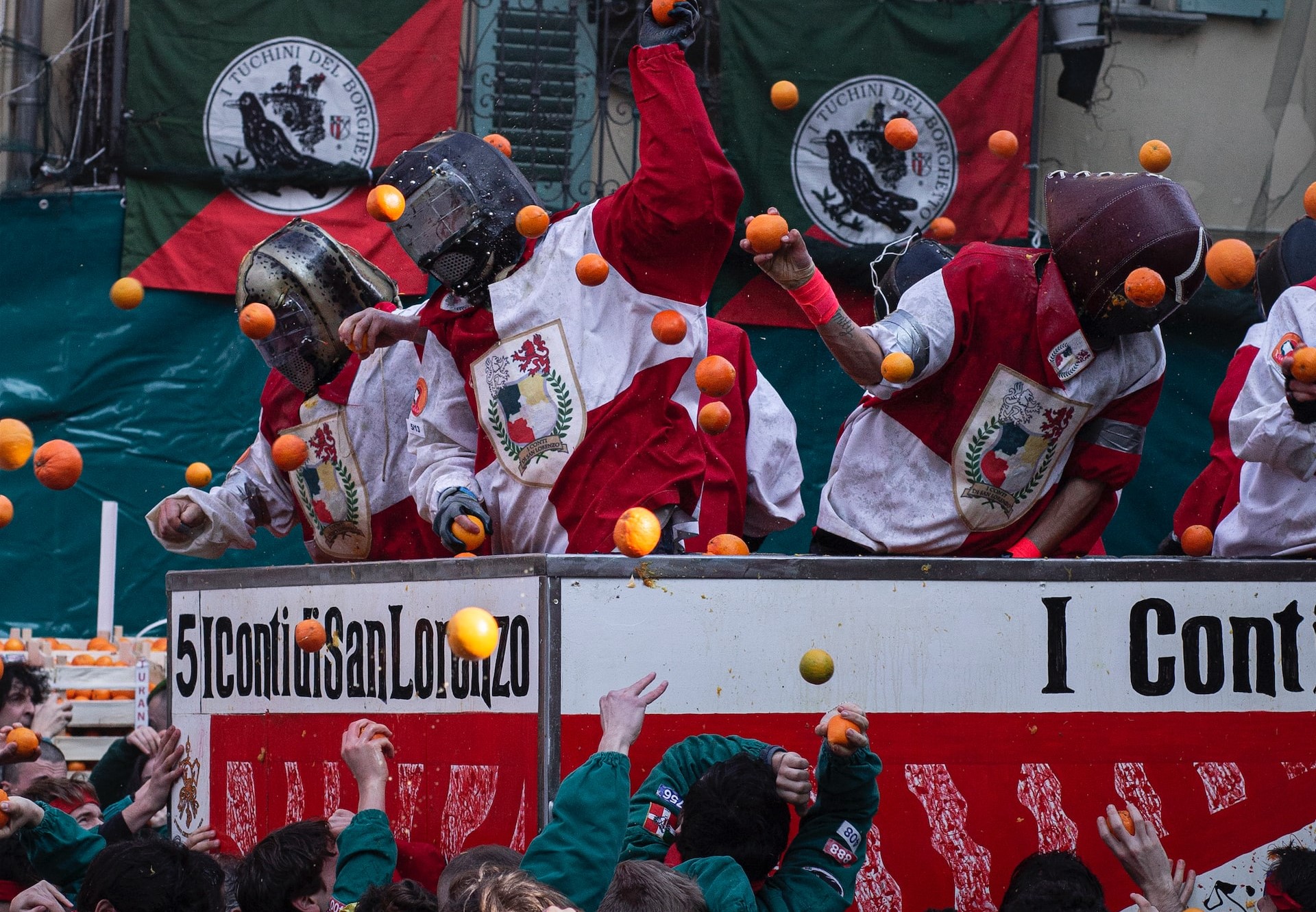
O nome já nos diz que é um Festival de Laranjas numa charmosa cidade da Itália, chamada Ivrea. Trago notícias estranhas de que o charme de Ivrea acaba quando acontece esse inusitado festival. Sempre no mês de fevereiro, em um dia marcado, pessoas se vestem com trajes medievais e iniciam um combate que utiliza como armas as laranjas. O bacana desse Festival é que ninguém se machuca e todos ficam com os níveis de vitamina C em dia. O Ivrea é estranho mas é divertido!
The Testicle Festival
Esse evento é, de verdade, esdrúxulo! Milhares de pessoas compram ingressos para esse festival, que acontece numa cidade dos Estados Unidos. Eu nem sei por onde começar a falar das bizarrices que acontecem no The Testicle! Para começar, só é permitida a entrada de adultos, e para apimentar, tudo nesse festival gira em torno da comilança por uma iguaria inusitada, que é o testículo de touros! Eu, sinceramente, passaria adiante esse menu. Sobre as outras atrações, vão de ranking de roupa molhada – diria transparente – até competições de combate em arenas com óleo. Francamente, esse festival deve ser uma doideira! O público que frequenta, adora!
Festival Hadaka Matsuri
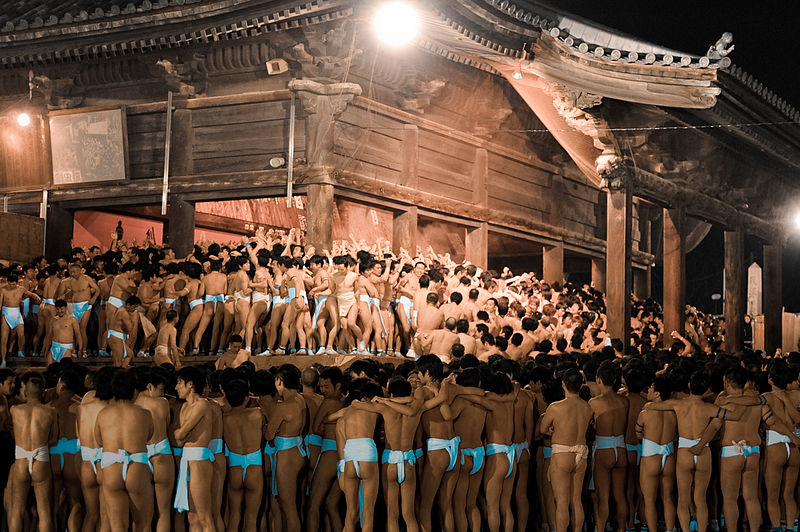
Trago notícias sobre um festival oriental que é um tanto quanto diferentão! O Festival Hadaka Matsuri é conhecido como o Festival de Homens Nus. Calma, meu leitor, não é bem assim, os homens que participam desse festival usam aquele tipo de tanga para sumô, chamado fundoshi. Menos mal, concorda? O Hadaka Matsuri é realizado anualmente, no mês de fevereiro, em cidades do Japão. Vale dizer que quem participa desse festival leva como principal recompensa a purificação para encarar um ano de boas novas.
Festival La Tomatina
Você gosta muito de tomate? Em caso positivo, se programe para ir ao festival que ocorre anualmente na Espanha. Lá é realizado um evento que utiliza toneladas de tomates para uma finalidade um tanto quanto inusitada, que é a “guerra” com tomates. Imagine o mar vermelho que se forma no local onde é realizado este festival? Acrescente a isso vestimentas brancas, que é a regra para as mulheres. Quanto aos homens, podem ir sem camisas. Não podemos negar que esse combate é bem estranho!
Festivais bem exóticos
Apresentei para você algumas curiosidades sobre festivais esquisitos e talvez até inimagináveis. Vale lembrar que a lista é grande! Então, se você curte festivais com temas mirabolantes, escolha o que mais te agrada e não perca tempo, se deixe levar pela esquisitice desses festivais!
Tempo de samba e pandeiro
Eu gosto muito de uma famosa música brasileira chamada Aquarela do Brasil. Em um dos seus versos ela diz: Esse Brasil lindo e trigueiro, É o meu Brasil brasileiro, Terra de samba e pandeiro. Eu concordo bastante com essa música, pois o Brasil é um país incrível e muito bonito de se ver e de viver a magia do samba. Não posso falar que eu sou um dançarino de samba profissional mas, modéstia a parte, sei gingar um pouco. No meu tempo livre eu danço samba, então acho que valeu a pena? Normalmente eu vou para o trabalho, volto para a minha casa, danço e toco no registar-br.com. Então até aquela dançazinha já faz diferença, não? Por isso preciso te contar o segredo sobre como aprendi a praticar os meus passos diferenciados de samba. Se você quer treinar também, fique ligado nas próximas linhas.
O samba
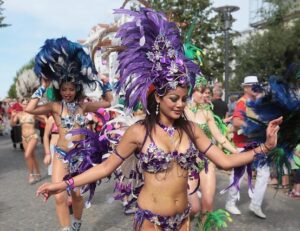
O samba é um estilo musical genuinamente brasileiro. Nascido mais precisamente no Rio de Janeiro, o samba é reconhecido mundialmente como um patrimônio imaterial do Brasil. Samba significa alegria, dança e malemolência. Sambar representa deixar o seu corpo à vontade, sendo levado pelo ritmo do samba.
Como aprender a sambar
São muitas as formas possíveis para aprender a sambar. Muitos ligam o som e deixam a alegria do samba invadir o seu corpo, outros procuram escolas especializadas na dança e se deslocam de suas casas até esses locais, para aprender a mexer o corpo ao ritmo do samba. Outros, assim como eu, simplesmente aprendem a dançar através do universo online. Isso mesmo! Hoje em dia já é possível encontrar muito conteúdo interativo de dança, através da internet, que ensina a sambar!
Youtube
Um dos caminhos que adotei para iniciar o samba foi através da plataforma online Youtube. No começo confesso que eu era um tanto quanto desajeitado, adotando verdadeiramente o estilo dois pra lá e um pra cá. Ou seja, eu ficava completamente perdido. Mas foi uma ferramenta legal, para o meu começo como quase sambista.

Me profissionalizando, nem tanto, no samba
Sem falsa modéstia, eu não faço feio dançando samba. Mas para isso eu precisei me empenhar nas técnicas oferecidas em cursos online que eu adquiri. O bacana de fazer o curso online é que não perco tempo com o deslocamento, sem falar que fico na segurança e conforto do meu lar, praticando meu sambinha.
Sambando com profissionais das Escolas de Samba
Falar que não sabe sambar não é mais desculpa! Através da internet você pode aprender a sambar, inclusive com profissionais renomados das famosas Escolas de Samba. Além de ganhar o gingado do samba, você ainda está se exercitando, o que é tão importante para a saúde. Já se imaginou sambando no próximo Carnaval?
Aprenda o samba de forma online e pratique no Carnaval
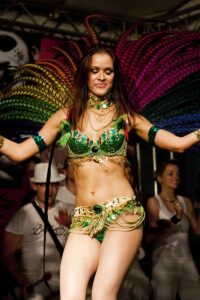
Isso mesmo! O Carnaval está muito próximo, mas ainda dá tempo para você se preparar para seguir na avenida com muito samba no pé! Mesmo que você não tenha experiência alguma no samba, são disponibilizados treinamentos online que oferecem técnicas de samba para o iniciante até que ele se torne um sambista profissional, caso seja esse o objetivo. No meu caso, eu ainda estou no meio termo, mas não deixo de curtir o Carnaval e mostrar tudo o que sei desse universo que sou completamente apaixonado. E você, começará suas aulas de samba online quando?
Não perca tempo, inicie hoje mesmo e arrase na avenida, no próximo Carnaval!
O encanto dos festivais
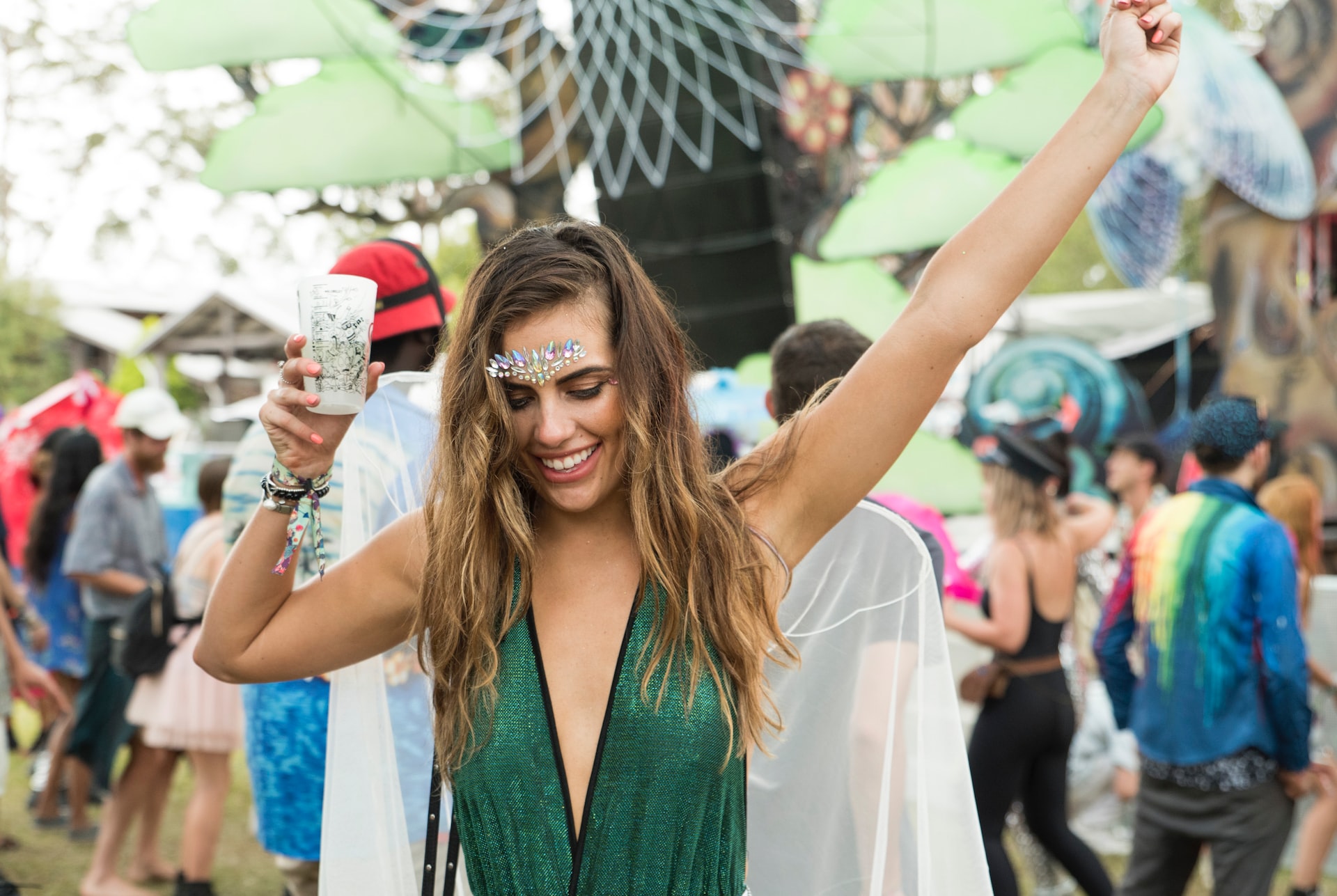
Festivais, carnavais e artes cênicas em todos os estilos, são as minhas paixões. Eu tenho o prazer e o privilégio de participar desses eventos desde muito pequeno. Sou aquele tipo de pessoa que se organiza previamente, através de agenda, para programar minhas viagens e participações em carnavais tradicionais, fora de época e festivais variados. Por esse motivo, por entender que tenho um vasto conteúdo de vivência nesse tipo de comemoração, hoje o nosso papo vai ser sobre os festivais!
O que são festivais?
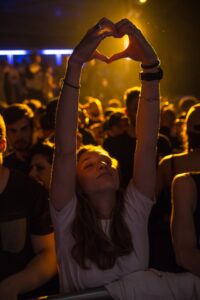
Sem ao menos consultar um dicionário, quando falamos em festival nos lembramos de festa, não é mesmo? Portanto, lhe trago boas notícias de que os dicionários também remetem o festival à festa! Festival é comemoração, é alegria e cultura. Um festival é um evento antecipadamente organizado, que contempla atrações. Um festival pode ter o objetivo de divulgar um produto, para apresentar variadas bandas musicais, para competições diversas. Ou seja, o festival tem o poder de atrair pessoas para um objetivo em comum, trazendo retornos benéficos para quem produz e também para quem participa.
Os mais famosos festivais do universo
Isso mesmo, por conta da organização, criatividade, público e atrações, alguns festivais acabam sendo consagrados como os melhores do mundo! Cito abaixo alguns deles, mas pode acreditar que eles são milhares.
Rock in Rio
Esse festival de música, que não contempla apenas Rock, nasceu na cidade brasileira do Rio de Janeiro, na década de 80, sendo estruturado por uma família que até hoje toca o festival adiante; os Medina. Quem abriu a primeira edição do Rock in Rio em 1985 foi o famoso cantor Ney Matogrosso. De lá para cá, muitas edições do evento ocorreram, inclusive em cidades de outros países, como é o caso do Rock in Rio Madrid, o de Lisboa e o dos Estados Unidos. Todos que participam do Rock in Rio levam consigo um sentimento de encantamento; não apenas pelas bandas que ali se apresentam, mas pela logística perfeita e a imersão no fabuloso mundo da música.
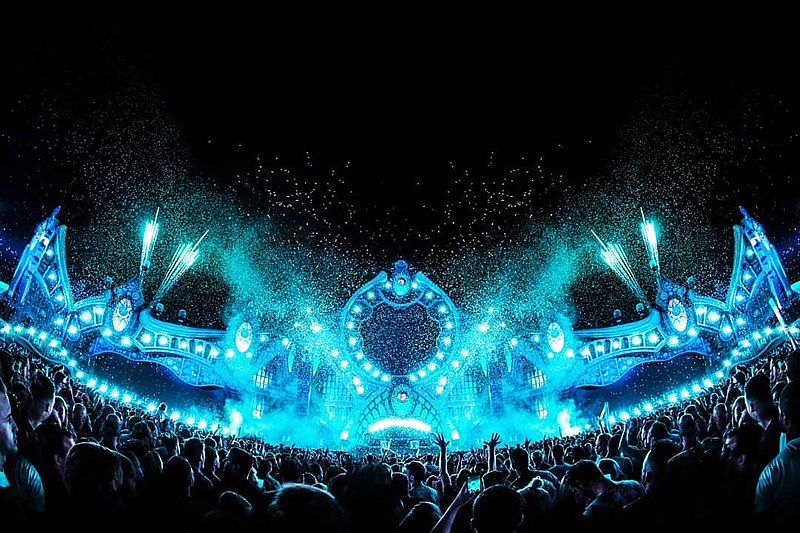
Coachella Valley Music and Arts Festival
O Coachella é o festival queridinho da turma descolada e fashionista. Este é um evento organizado nos Estados Unidos desde os anos 90 e já teve em seus palcos nomes como Beyoncé, David Bowie e Anitta. O estilo do Coachella, em termos musicais vai do Rock, passeando pelo Hip Hop e chegando até a Música Eletrônica. O grande benefício trazido por um festival como esse, para o público é vivenciar experiências incríveis no deserto da Califórnia e conhecer de perto os seus ídolos e as suas novas canções. Quanto ao mercado da música, este tem como grande benefício a impulsão dos seus números, sendo percebido no crescimento do streaming. E acredite, para o mundo da moda, esse festival lança tendências!
Festival Fringe
Fringe é um festival de artes cênicas nascido na Escócia, em 1947. Depois dessa edição o Fringe segue sendo produzido em outros países, também. Mas afinal, o que traz o Fringe para o seu público? O Fringe apresenta música, circo, teatro e tantas outras artes cênicas, com artistas de várias nacionalidades, mesclando suas culturas e apresentando espetáculos impecáveis. Ou seja, o maior benefício do Fringe, para quem frequenta, é a imersão numa mescla de culturas e inventividade de artistas do mundo inteiro.
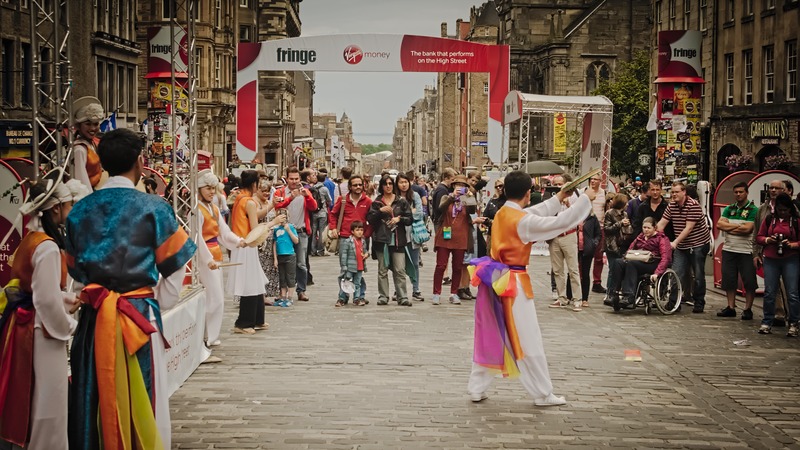
Festivais apresentam novidades
Pelo mundo afora, milhares de festivais são realizados, a maioria tem como o tema a música, seja ela o rock, samba, pop, indie, romântica, pagode e tantas outras, mas todos buscam levar ao público um pouco mais sobre os seus trabalhos, suas novidades, impulsionando, assim, os seus artistas. E esse talvez seja objetivo de festivais de outras áreas, também; apresentar ao público as suas novidades, trazer entretenimento, e angariar mais admiradores e consumidores para o seu produto, serviço ou marca.
Artes cênicas
As pessoas sempre adoraram se divertir. Seja pela diversão em casa (como streaming, jogando Jogos de caça-níqueis) ou por meio de atividades ao ar livre como esportes e artes performáticas, ser criativo e falar sobre o assunto faz parte do poder da inventividade humana em criar o novo, despertando sentimentos variados naqueles que o apreciam.
A arte, por exemplo, é produzida pela humanidade desde tempos muito antigos. Registros sobre o nascimento da arte nos contam que ela iniciou com a criação rupestre, que era a arte produzida ao ar livre, incluindo cavernas, com traçados nas superfícies. Geralmente eram imagens da natureza. Dessa época aos tempos atuais, as formas de produção de arte chegam a ser inimagináveis. Em tempos mais modernos, foi criada a denominação das Sete Artes, que envolvem dança, cinema, arquitetura, escultura, literatura, música e pintura. Agora imagine a possibilidade de mesclar vários estilos artísticos, formatando algo para ser apresentado em um palco, para as pessoas? Assim podemos chegar ao conceito das artes cênicas. Vamos falar um pouco sobre elas?
O que é arte cênica
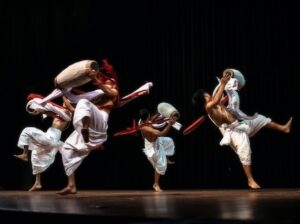
A arte é uma atividade diretamente ligada ao ser humano, que com sua capacidade de criação explora várias possibilidades, com o objetivo de apresentar um conteúdo artístico. A arte cênica é uma das formas de apresentação da arte e ela consegue combinar diversos estilos e gêneros artísticos!
Apresentação da arte cênica
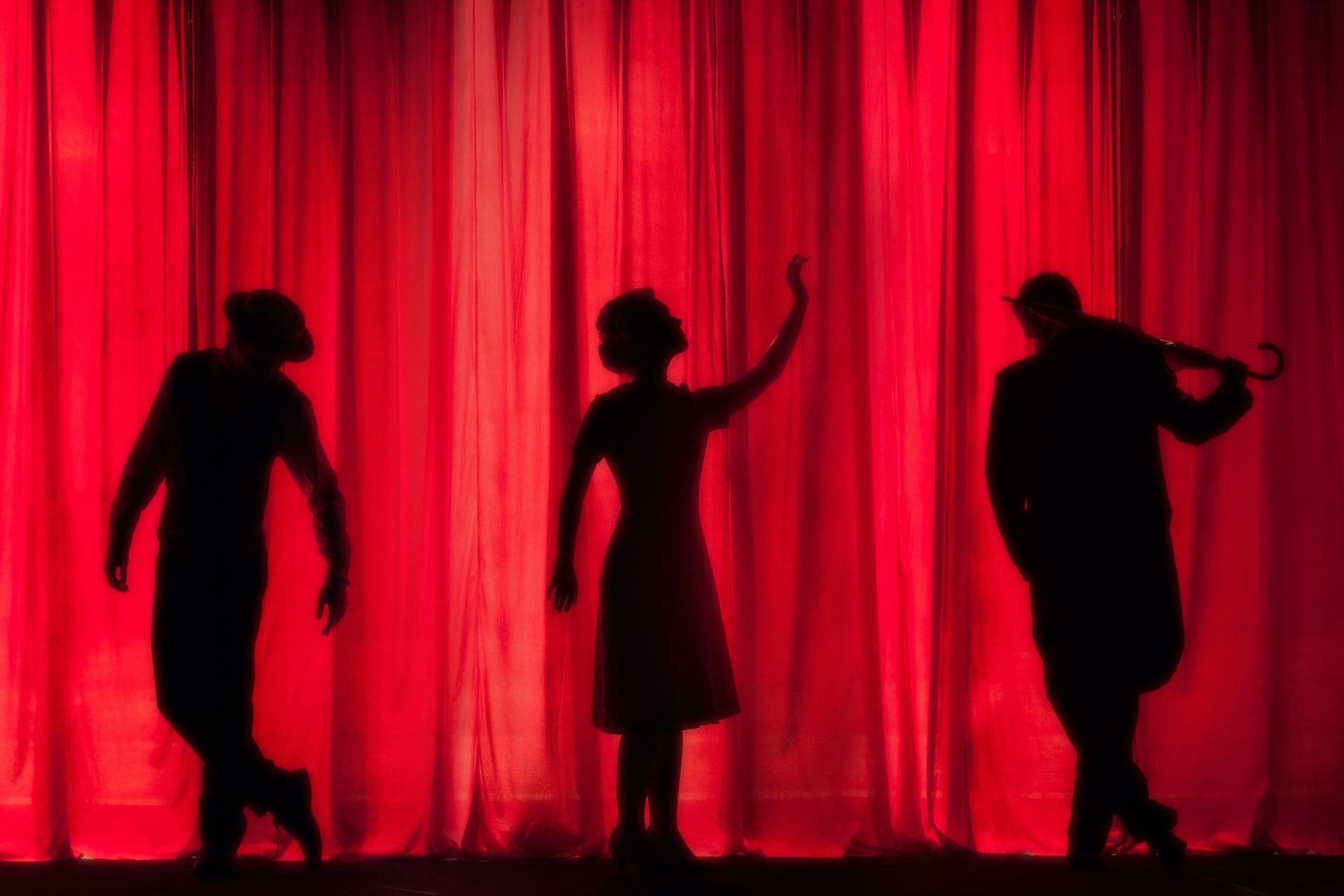
As artes cênicas podem ser expressas no circo, no teatro, na ópera, na dança. Todas essas são modalidades de artes cênicas e performáticas.
Estudos sobre artes cênicas
O artista que resolve seguir o campo de atuação das artes cênicas tem a possibilidade de fazer capacitações na área, inclusive em universidades. As principais ferramentas do artista, nesse ramo das artes, é o seu gestual, o seu corpo, a sua voz, a sua expressão como um todo. Alguns praticantes das artes cênicas buscam realizar cursos para aprimorarem justamente as suas apresentações, contemplando conhecimentos teóricos e práticos.
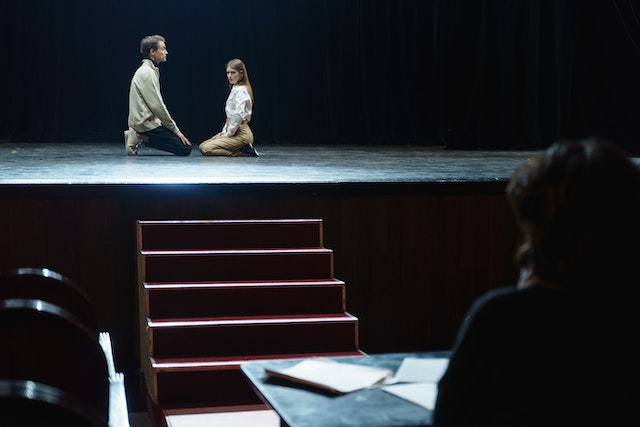
Os gêneros das artes cênicas:
Dança
A dança é uma forma de manifestação corporal, aliada a um compasso musical. Essa expressão pode ocorrer depois de ensaios ou através de improvisações. Quanto ao público que assiste a um espetáculo de dança, além de visualizar, ele sente, com o coração, a beleza desta arte. A dança é uma das artes cênicas mais antigas.
Música
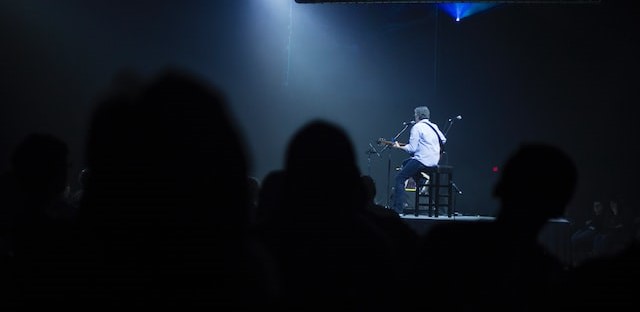
Você pode até não memorizar letras de músicas, mas você consegue, com certeza, lembrar das suas melodias e até balbuciar. A música é um gênero da arte cênica que consegue se juntar a tantos outros, trazendo percepções de sentimentos que variam da alegria à tristeza.
Comédia
Este gênero apresenta animação e humor às artes cênicas. Podemos assistir comédias em circos, teatros ou até mesmo em filmes. Portanto, a comédia é uma pitada de humor que leva a platéia ao riso.
Trágédia
A tragédia é o gênero da arte cênica que é capaz de trazer sentimentos diversos ao seu público, com toques de sofrimento e compaixão. Este gênero é muito antigo e sempre fez comparações entre o sofrimento humano e a ação dos deuses.
Drama
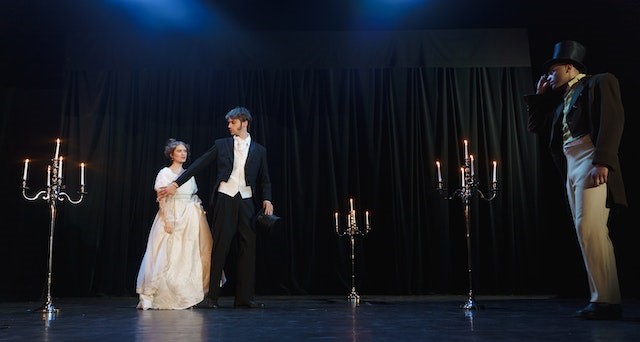
O gênero dramático envolve justamente o duelo do pensamento e das ações humanas. Nascido em tempos muito remotos, na Grécia, esse gênero é muito apreciado, mas teve várias mudanças durante todos esses anos de existência, pois sempre existe a adaptação do tema da apresentação, de acordo com o momento vivido pela sociedade.
Qualquer pessoa pode desenvolver artes cênicas
Exatamente! Ainda que sejam disponibilizados muitos cursos para o aprimoramento do artista que resolve enveredar nas artes cênicas de forma profissional, qualquer pessoa pode desenvolver as artes cênicas, afinal, o palco para a apresentação artística pode ser um teatro, um circo, a praça. Ou seja, entra a criatividade e disponibilidade do artista performático, que acaba angariando apreciadores. Mas se esse artista desejar unir a sua criatividade prática ao conhecimento, aí será interessante que ele frequente cursos sobre as artes cênicas.
O melhor carnaval do mundo
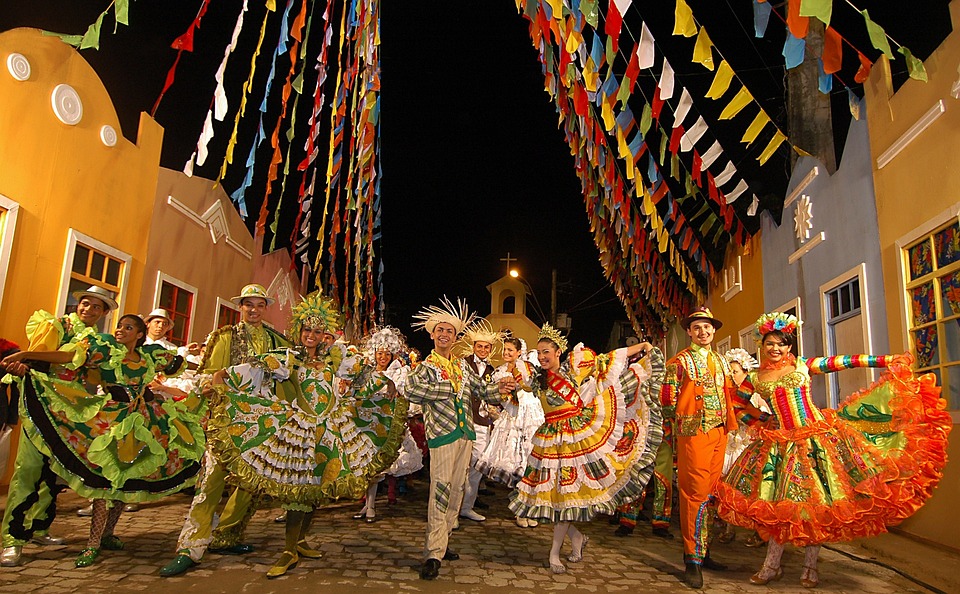
Eu sou aquele tipo de carnavalesco fervoroso e já participei de festividades em várias cidades. Confesso que o meu preferido é o Carnaval do Brasil. Não sei se você sabe, mas o Carnaval Brasileiro é a mais expressiva festa de rua do país. No período momesco várias cidades se transformam em verdadeiros palcos móveis, nos quais as únicas coisas aceitáveis são música, alegria e muita dança! Nas próximas linhas eu pretendo falar um pouco mais sobre o Carnaval do Brasil. Vamos pular?
Quando é festejado o Carnaval do Brasil
O Carnaval do Brasil não tem uma data fixa. Portanto, se você deseja se programar para curtir essa maravilha, fique ligado no calendário do carnaval brasileiro, pois ele pode ser realizado no mês de fevereiro ou até mesmo em março. O detalhe sobre a questão das datas variáveis é por conta do marco para determinar o período momesco, que é a Páscoa. Ou seja, 7 domingos exatos, antes do domingo de Páscoa, é o marco oficial do Carnaval do Brasil. Como a data da Páscoa também é variável, consequentemente o dia do Carnaval do Brasil segue a oscilação, a cada ano.
Logo abaixo citarei para você alguns carnavais para lá de badalados, no Brasil, mas a lista de festividades carnavalescas é bem maior.
Carnaval do Rio de Janeiro
Pense em um festival que eu amo? Acertou, esse é o Carnaval do Rio de Janeiro. No Rio temos a opção de frequentar o Sambódromo e também a de apreciarmos as maravilhosas Escolas de Samba. Ah, e no Rio também tem os bloquinhos de rua, que sempre trazem surpresas divertidas! A energia é simplesmente surreal, em qualquer dessas opções. Portanto, se o Rio for a sua opção para o próximo carnaval, posso garantir que vai ser uma das suas melhores experiências em festas desse tipo. Nada menos que alegria e beleza, você vai levar de recordação!
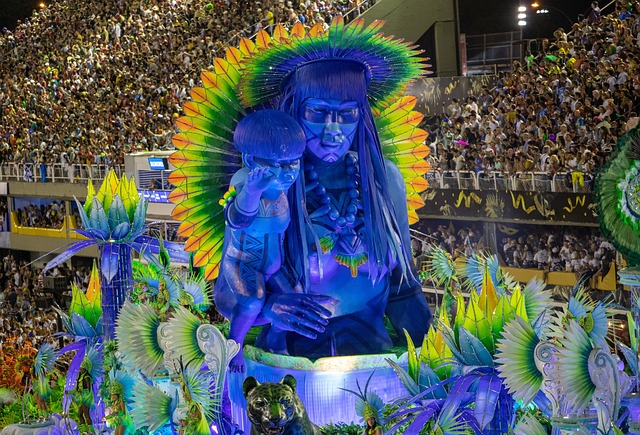
Carnaval de São Paulo
Esse é um festival que ano a ano ganha mais e mais foliões. As Escolas de Samba são um atrativo bastante especial, onde brilho, felicidade e criatividade imperam. Quanto aos blocos de rua, esses desfilam com verdadeiros tapetes humanos, onde o que se vê é um colorido que emana diversão! Ah, sim, não posso esquecer do carnaval produzido no famoso bairro da Vila Madalena, que é muito animado, e dos bailes realizados em clubes e tantos outros bairros da cidade.
Carnaval em Salvador
Salvador é a capital do axé, e se você pensa em curtir essa maravilha chamada carnaval, a dica é que você se programe com antecedência, desde a aquisição de passagens, hospedagens à compra do seu abadá ou camarote; ou os dois! E, o mais legal, você pode, também, pular atrás do trio, mesmo que não tenha o famoso abadá, pois, além dos blocos, em Salvador tem atrações para o folião pipoca. Isso mesmo, assim são chamados os carnavalescos que pulam atrás dos trios.
E aí, partiu, pipocar no Carnaval do Brasil? Eu garanto que você irá curtir demais e levará excelentes recordações para toda a vida.